The objective of the Control Unit is to conduct the required controls in order to ensure effective verification of compliance with the terms under which aids are granted and of the requirements and standards relevant for cross compliance.
As the technical branch of the Agriculture and Rural Payments Agency, the Control Unit is responsible for the maintenance of the Controls Module within the Integrated Administration and Control System (IACS), the Geographical Information System (GIS) and the execution of the on-the-spot checks which is made up of the following functions:
On The Spot Control
Cross Compliance
Land Parcel Identification System (LPIS)
On the Spot Controls
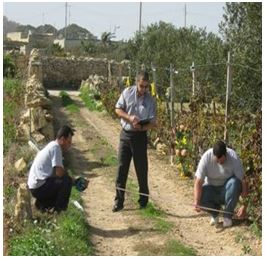
The Control Unit utilizes the latest technology methods to control the agricultural holdings on which an application has been made. On-the-spot controls are performed using two methods;
Remote Sensing
Approximately 15,000 agricultural land parcels are controlled annually by remote sensing using specialized software. The use of remote sensing helps to minimise the requirement for traditional means of on the spot checks and thus making the control process more cost-effective and efficient.
Traditional (Physical) Checks
Physical checks are performed to verify compliance with eligibility criteria in relation to the following measures;
Direct Aid;
Single Payment Scheme;
Less Favoured Area Measure;
Agri-Environmental Measures;
Agri-Environmental and Climate Measures;
Areas with Natural Constraints
Investment Measures;
School Fruit & Vegatables Scheme;
School Milk Scheme;
Aid to Beekeepers.
The selection of applicants for control is based on a risk analysis process, taking into consideration the most relevant risk factors. A total number of on the spot checks carried out each year covers at least 5% of all farmers submitting an application for aid.. A further 1% of investment type projects for which payments have been finalised shall also be subject to further checking for a period of 5 years.
Cross Compliance
Cross Compliance is compulsory to all member states including Malta. All farmers receiving direct payments or are receiving payments under Axis II of the Rural Development Plan are subject to cross compliance.
Farmers do not have to produce in order to receive direct aid, but they must respect cross compliance standards in two ways:
Good Agricultural and Environmental Condition: This requirement is a consequence of the introduction of the SPS and is intended to avoid the abandonment of agricultural land and its environmental consequences.
Statutory Management Requirements: Farmers must respect other cross compliance standards called statutory management requirements set-up in accordance with 13 EU Directives and Regulations relating.
Nowadays cross compliance has been extended beyond environmental rules and also include:
public, animal and plant health;
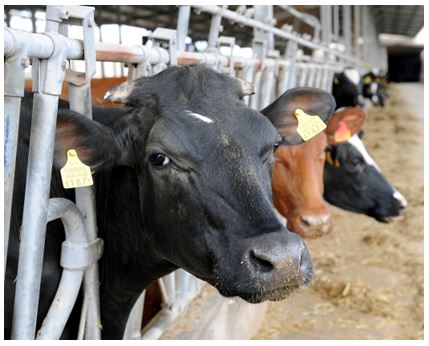
animal welfare;
complying with minimum requirements for fertilisers and plant protection products for those farmers receiving aid under Pillar II.
Farmers must comply with all legislation affecting their holding. Failure by farmers to respect these conditions can result in deductions from, or complete cancellation of, direct payments.